SimplyFixIt, is one of the UK's top independent iPad repair specialists. Our head office is in Edinburgh, but we fix iPads for people all over the country, including in Glasgow. No matter your location, we can fix your iPad!
Why trust us with your iPad repair? Our Apple Certified Technicians deliver unrivalled quality, outshining local independent computer shops. With an impressive track record in the Glasgow area, we invite you to experience our top-tier service for all your iPad needs, especially iPad screen repairs.
Fast Repairs
Quality Components
Spread the cost
All Repairs Guaranteed
We understand the importance of your iPad, so we aim to return it within 48 hours of receiving it. At SimplyFixIt, we believe in precision over speed, but rest assured, your iPad will be in good hands. Once the repair, including any necessary screen repairs, is complete, we'll promptly notify you and arrange express delivery back to Glasgow, either your home or work.
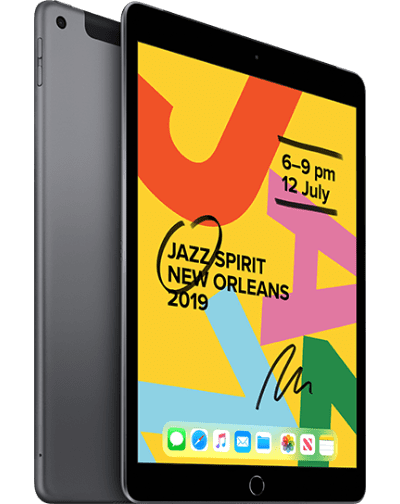

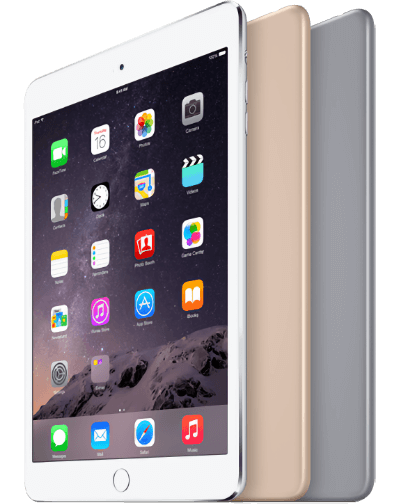
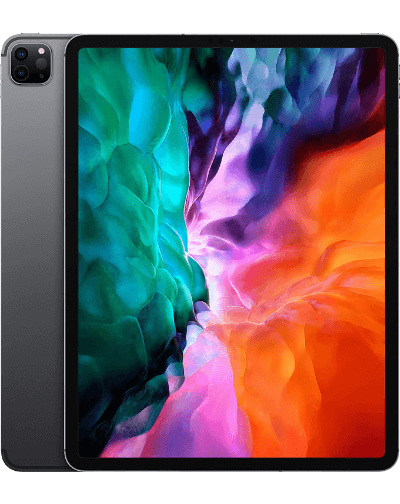
Happy SimplyFixIt Customers near Glasgow
We do more than just fix iPads; our services include repairs for MacBooks, iPhones, and Windows laptops. If you're in the Glasgow vicinity, you're likely close to someone that we've helped in the recent past. Below is a map of the people in, and around, Glasgow who have had an iPad fixed from SimplyFixIt because of our fast, efficient, and high-quality repair service.
Ready for a seamless iPad repair experience? Choose your iPad below and follow the instructions. With SimplyFixIt, you're choosing reliability, quality, and peace of mind.
Map of iPad repair customers near you
Please note that for data protection reasons, we've applied a slight "fuzziness" to the location markers. These markers represent the general areas of our satisfied customers.

Not sure what model of iPad you have?
Enter your iPad' serial number below, or read our guide at what model iPad do I have?.
Check your Serial Number for free.
About Glasgow
Glasgow (UK: GLA(H)Z-goh, GLA(H)SS-) is the most populous city in Scotland, the third-most populous city in the United Kingdom, and the 27th-most populous city in Europe. In 2022, it had an estimated population as a defined locality of632,350 and anchored an urban settlement of1,028,220. Glasgow became a county in 1893, the city having previously been in the historic county of Lanarkshire, and later growing to also include settlements that were once part of Renfrewshire and Dunbartonshire. It now forms the Glasgow City Council area, one of the 32 council areas of Scotland, and is administered by Glasgow City Council.
The city is a member of the Core Cities Group, having the largest economy in Scotland and the third-highest GDP per capita of any city in the UK. Glasgow's major cultural institutions enjoy international reputations including The Royal Conservatoire of Scotland, Burrell Collection, Kelvingrove Art Gallery and Museum, Royal Scottish National Orchestra, BBC Scottish Symphony Orchestra, Scottish Ballet and Scottish Opera. The city was the European Capital of Culture in 1990 and is notable for its architecture, culture, media, music scene, sports clubs and transport connections. It is the fifth-most visited city in the United Kingdom. The city hosted the 2021 United Nations Climate Change Conference (COP26) at its main events venue, the SEC Centre. Glasgow hosted the 2014 Commonwealth Games and the first European Championships in 2018, was one of the host cities for UEFA Euro 2020, and will be a host city of the UEFA Euro 2028. The city is also well known in the sporting world for football, particularly for the Old Firm rivalry.
Glasgow grew from a small rural settlement close to Glasgow Cathedral and descending to the River Clyde to become the largest seaport in Scotland, and tenth largest by tonnage in Britain. Expanding from the medieval bishopric and episcopal burgh (subsequently royal burgh), and the later establishment of the University of Glasgow in the 15th century, it became a major centre of the Scottish Enlightenment in the 18th century. From the 18th century onwards, the city also grew as one of Britain's main hubs of oceanic trade with North America and the West Indies; soon followed by the Orient, India, and China. With the onset of the Industrial Revolution, the population and economy of Glasgow and the surrounding region expanded rapidly to become one of the world's pre-eminent centres of chemicals, textiles and engineering; most notably in the shipbuilding and marine engineering industry, which produced many innovative and famous vessels. Glasgow was the "Second City of the British Empire" for much of the Victorian and Edwardian eras.
In the late 19th and early 20th centuries, Glasgow's population grew rapidly, reaching a peak of 1,127,825 people in 1938 (with a higher density and within a smaller territory than in subsequent decades). The population was greatly reduced following comprehensive urban renewal projects in the 1960s which resulted in large-scale relocation of people to designated new towns, such as Cumbernauld, Livingston, East Kilbride and peripheral suburbs, followed by successive boundary changes. Over 1,000,000 people live in the Greater Glasgow contiguous urban area, while the wider Glasgow City Region is home to over 1,800,000 people, equating to around 33% of Scotland's population. The city has one of the highest densities of any locality in Scotland at 4,023/km2.
This page includes text from the Wikipedia article "Glasgow", licensed under CC BY-SA 4.0.