SimplyFixIt, is one of the UK's top independent iPad repair specialists. Our head office is in Edinburgh, but we fix iPads for people all over the country, including in Dullatur. No matter your location, we can fix your iPad!
Why trust us with your iPad repair? Our Apple Certified Technicians deliver unrivalled quality, outshining local independent computer shops. With an impressive track record in the Dullatur area, we invite you to experience our top-tier service for all your iPad needs, especially iPad screen repairs.
Fast Repairs
Quality Components
Spread the cost
All Repairs Guaranteed
We understand the importance of your iPad, so we aim to return it within 48 hours of receiving it. At SimplyFixIt, we believe in precision over speed, but rest assured, your iPad will be in good hands. Once the repair, including any necessary screen repairs, is complete, we'll promptly notify you and arrange express delivery back to Dullatur, either your home or work.




Happy SimplyFixIt Customers near Dullatur
We do more than just fix iPads; our services include repairs for MacBooks, iPhones, and Windows laptops. If you're in the Dullatur vicinity, you're likely close to someone that we've helped in the recent past. Below is a map of the people near Dullatur who have had an iPad fixed from SimplyFixIt because of our fast, efficient, and high-quality repair service.
Ready for a seamless iPad repair experience? Choose your iPad below and follow the instructions. With SimplyFixIt, you're choosing reliability, quality, and peace of mind.
Map of iPad repair customers near you
Please note that for data protection reasons, we've applied a slight "fuzziness" to the location markers. These markers represent the general areas of our satisfied customers.
Not sure what model of iPad you have?
Enter your iPad' serial number below, or read our guide at what model iPad do I have?.
Check your Serial Number for free.
About Dullatur
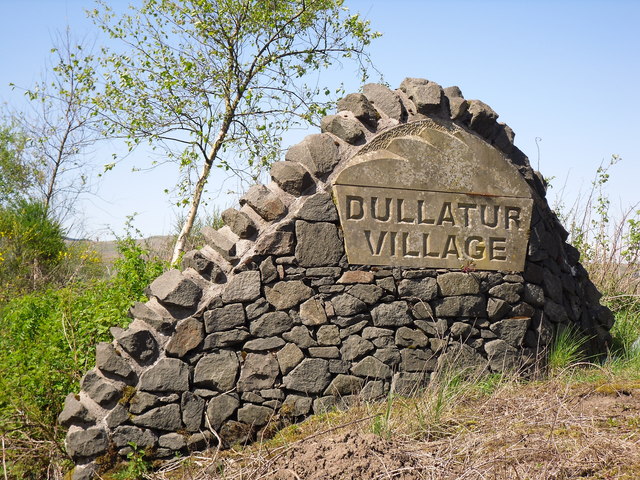
Dullatur is a village (population 720 (est. 2012)) near Cumbernauld, Scotland. Like Condorrat, Castlecary and Luggiebank, it predates the new town of Cumbernauld, and of those only Condorrat was officially included in the designated area. Its name is anglicised from the Gaelic Dubh Leitir, which means "dark slope". The route of the Antonine Wall passes just to the north of Dullatur. Two Roman temporary marching camps were located at Dullatur between the forts at Croy Hill and Westerwood. The camps have been excavated several times by archaeologists following aerial photography and proposed housebuilding. Both camps have now been built over, and no visible remains can be seen on the ground today. Digital reconstructions of the larger and the smaller of the camps have been created. When building the nearby Forth and Clyde Canal in the 18th century a number of finds were made in Dullatur Bog. Thomas Watson recorded: "a number of swords, pistols, and other weapons were dug out; also the bodies of men and horses, and what seems somewhat marvellous, a trooper, completely armed, and seated on his horse, in the exact posture in which he had perished." It was supposed that the man was escaping the Battle of Kilsyth which is due north of Dullatur Bog.
The development of the village owed much to the creation of the Glasgow-Edinburgh railway line, with a station sited in Dullatur in 1842 to encourage commuters to settle there. Several grand villas were built as part of the original development, two of which were designed by the architect Alexander "Greek" Thomson.
The make-up of the village was of the higher socio-economic class, and early recreational developments included Dullatur Golf Club and lawn-tennis clubs, both of which persist to the present day. Dullatur railway station is now closed but the village still serves as a commuter settlement, with a number of private properties being built over the years.
This page includes text from the Wikipedia article "Dullatur", licensed under CC BY-SA 4.0.