SimplyFixIt, is one of the UK's top independent iPad repair specialists. Our head office is in Edinburgh, but we fix iPads for people all over the country, including in Moss. No matter your location, we can fix your iPad!
Why trust us with your iPad repair? Our Apple Certified Technicians deliver unrivalled quality, outshining local independent computer shops. With an impressive track record in the Moss area, we invite you to experience our top-tier service for all your iPad needs, especially iPad screen repairs.
Fast Repairs
Quality Components
Spread the cost
All Repairs Guaranteed
We understand the importance of your iPad, so we aim to return it within 48 hours of receiving it. At SimplyFixIt, we believe in precision over speed, but rest assured, your iPad will be in good hands. Once the repair, including any necessary screen repairs, is complete, we'll promptly notify you and arrange express delivery back to Moss, either your home or work.

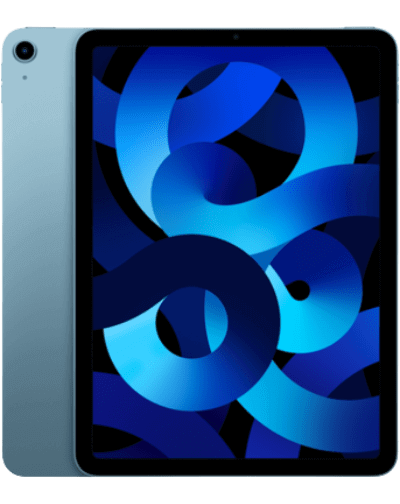
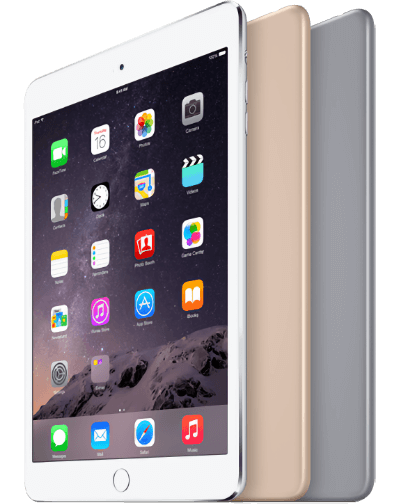
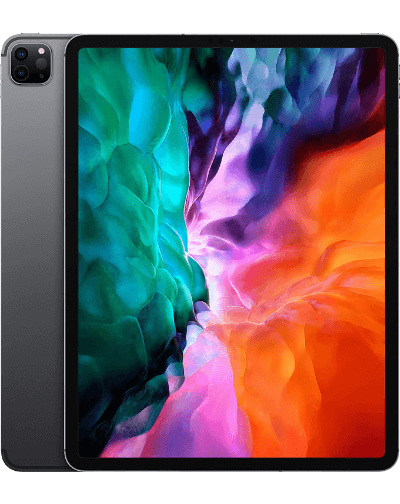
Happy SimplyFixIt Customers near Moss
We do more than just fix iPads; our services include repairs for MacBooks, iPhones, and Windows laptops. If you're in the Moss vicinity, you're likely close to someone that we've helped in the recent past. Below is a map of the people in, and around, Moss who have had an iPad fixed from SimplyFixIt because of our fast, efficient, and high-quality repair service.
Ready for a seamless iPad repair experience? Choose your iPad below and follow the instructions. With SimplyFixIt, you're choosing reliability, quality, and peace of mind.
Map of iPad repair customers near you
Please note that for data protection reasons, we've applied a slight "fuzziness" to the location markers. These markers represent the general areas of our satisfied customers.

Not sure what model of iPad you have?
Enter your iPad' serial number below, or read our guide at what model iPad do I have?.
Check your Serial Number for free.
About Moss
Mosses are small, non-vascular flowerless plants in the taxonomic division Bryophyta (, ) sensu stricto. Bryophyta (sensu lato, Schimp. 1879) may also refer to the parent group bryophytes, which comprise liverworts, mosses, and hornworts. Mosses typically form dense green clumps or mats, often in damp or shady locations. The individual plants are usually composed of simple leaves that are generally only one cell thick, attached to a stem that may be branched or unbranched and has only a limited role in conducting water and nutrients. Although some species have conducting tissues, these are generally poorly developed and structurally different from similar tissue found in vascular plants. Mosses do not have seeds and after fertilisation develop sporophytes with unbranched stalks topped with single capsules containing spores. They are typically 0.2–10 cm (0.1–3.9 in) tall, though some species are much larger. Dawsonia, the tallest moss in the world, can grow to 50 cm (20 in) in height. There are approximately 12,000 species.
Mosses are commonly confused with liverworts, hornworts and lichens. Although often described as non-vascular plants, many mosses have advanced vascular systems. Like liverworts and hornworts, the haploid gametophyte generation of mosses is the dominant phase of the life cycle. This contrasts with the pattern in all vascular plants (seed plants and pteridophytes), where the diploid sporophyte generation is dominant. Lichens may superficially resemble mosses, and sometimes have common names that include the word "moss" (e.g., "reindeer moss" or "Iceland moss"), but they are fungal symbioses and not related to mosses.: 3
The main commercial significance of mosses is as the main constituent of peat (mostly the genus Sphagnum), although they are also used for decorative purposes, such as in gardens and in the florist trade. Traditional uses of mosses included as insulation and for the ability to absorb liquids up to 20 times their weight. Moss is a keystone genus and benefits habitat restoration and reforestation.
This page includes text from the Wikipedia article "Moss", licensed under CC BY-SA 4.0.