MacBook Air (2013 - 2017) Repairs
What's wrong with your MacBook Air (2013 - 2017)?
Tap a repair below to see exactly what is included and book online.
- Repair warranty on fitted parts
- Edinburgh repair centre since 1996
- Typical turnaround: usually 2–5 working days after inspection, depending on parts; delivery usually 1–2 days
Tap to choose your repair.
Display Assembly Repair
Third-party screen£199.00
View and book this repairA lower-cost third-party complete display assembly. This replaces the whole top lid, including the aluminium backing.
Typical turnaround: confirmed after inspection and parts availability; delivery usually 1–2 days
Battery Replacement
£99.00
View and book this repairFor short battery life, service battery messages, swelling, unexpected shutdowns or a device that only works when plugged in.
Typical turnaround: confirmed after inspection and parts availability; delivery usually 1–2 days
macOS Install or Upgrade
£99.00
View and book this repairFor Macs that need macOS reinstalled, upgraded or prepared for use.
Typical turnaround: confirmed after inspection and parts availability; delivery usually 1–2 days
Diagnostics
Not sure?£99.00
View and book this repairChoose diagnostics if you are not sure what is wrong. We will inspect the device and report back before any further paid repair.
Typical turnaround: confirmed after inspection and parts availability; delivery usually 1–2 days
Keyboard Repair
£149.00
View and book this repairFor Mac keys that stick, repeat, fail to type or have liquid damage.
Typical turnaround: confirmed after inspection and parts availability; delivery usually 1–2 days
512GB Storage Upgrade
£199.00
View and book this repairFor compatible Macs where you want more internal storage.
Typical turnaround: confirmed after inspection and parts availability; delivery usually 1–2 days
1TB Storage Upgrade
£249.00
View and book this repairFor compatible Macs where you want a larger internal storage upgrade.
Typical turnaround: confirmed after inspection and parts availability; delivery usually 1–2 days
- Repair warranty on fitted parts
- UK mail-in repair available
- Repair centre in Edinburgh
- Hardware repairs do not normally require access to your personal data
- Final testing before collection or return
- Typical turnaround: usually 2–5 working days after inspection, depending on parts; delivery usually 1–2 days
Book MacBook Air (2013 - 2017) repairs online, including model numbers A1465, A1466, A1237 and A1304. We handle display assembly, battery, keyboard, macos install or upgrade and 512gb storage upgrade repairs, with clear online prices, at our Edinburgh repair centre and through our UK mail-in service.
More about this repair service
Mac repairs are inspected before work begins, and we will contact you before proceeding if liquid damage, board faults or multiple failures change the repair route.
SimplyFixIt has repaired Macs in Edinburgh since 1996 and remains independent by choice for out-of-warranty Apple repairs.
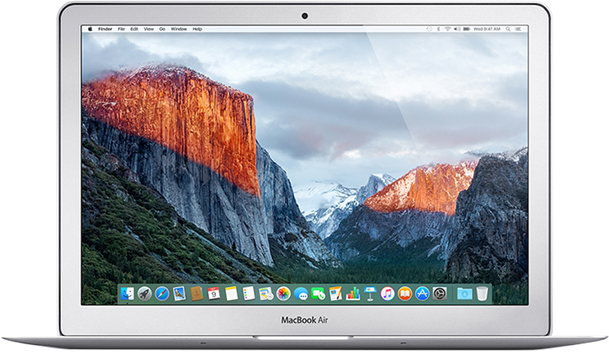
Choosing a repair for your MacBook Air (2013 - 2017)
Compare repair prices and what each option covers
- Display Assembly Repair — £199.00
- A lower-cost third-party complete display assembly. This replaces the whole top lid, including the aluminium backing.
- Battery Replacement — £99.00
- For short battery life, service battery messages, swelling, unexpected shutdowns or a device that only works when plugged in.
- macOS Install or Upgrade — £99.00
- For Macs that need macOS reinstalled, upgraded or prepared for use.
- Diagnostics — £99.00
- Choose diagnostics if you are not sure what is wrong. We will inspect the device and report back before any further paid repair.
- Keyboard Repair — £149.00
- For Mac keys that stick, repeat, fail to type or have liquid damage.
- 512GB Storage Upgrade — £199.00
- For compatible Macs where you want more internal storage.
- 1TB Storage Upgrade — £249.00
- For compatible Macs where you want a larger internal storage upgrade.
These are the repair prices for this model. For mail-in service, choose a repair to see the total including insured return delivery; you arrange delivery to us separately.
What if I choose the wrong repair?
We check the fault before work begins. A cracked screen, charging problem or power fault can have more than one cause. If inspection changes the repair needed, we contact you before additional paid work.
Not sure what is wrong? View diagnostics for MacBook Air (2013 - 2017) before choosing a replacement part.
Common MacBook Air (2013 - 2017) problems we repair
Available repair options for the MacBook Air (2013 - 2017) can help with the following symptoms. We confirm the cause before repair.
- Cracked glass or damaged display
- Vertical lines, black areas or flickering
- Backlight but no clear image
- Display damage after impact
- Battery does not last as long as it used to
- Service battery or battery health warning
- Unexpected shutdowns
- Device only works when connected to power
- Mac will not boot properly
- macOS needs reinstalling
MacBook Air (2013 - 2017) repair questions
Do you need my passcode?
We only need access where testing the repaired function requires it. If we need anything beyond normal hardware testing, we will explain why.
Can I use mail-in repair?
Yes. You can book online and send your MacBook Air (2013 - 2017) to SimplyFixIt from anywhere in the UK.
About this model
Check this is your device
MacBook Air (2013 - 2017) repairs on this page cover the following Apple model details.
- Model names
- 11-inch MacBook Air (Early 2015), 11-inch MacBook Air Mid 2013/Early 2014, 13-inch MacBook Air (Early 2015), 13-inch MacBook Air 2017, 13-inch MacBook Air Mid 2013/Early 2014
- Apple model numbers
- A1465, A1466, A1237, A1304
- Model identifiers
- MacBook Air 7,1, MacBook Air 6,1, MacBook Air 7,2, MacBook Air 6,2, MacBookAir1,1, MacBookAir2,1, MacBookAir5,1, MacBookAir5,2, MacBookAir6,1, MacBookAir6,2, MacBookAir7,1, MacBookAir7,2
- EMC numbers
- 2924, 2631, 2925, 3178, 2632
You can usually find the A-number in the small print on the device casing.
Technical specifications
Use these details to check that you have selected the right model before booking.
Show technical details
- Device
- MacBook Air (11-inch, Early 2014), MacBook Air (11-inch, Early 2015), MacBook Air (11-inch, Mid 2012), MacBook Air (11-inch, Mid 2013), MacBook Air (13-inch, 2017), MacBook Air (13-inch, Early 2014), MacBook Air (13-inch, Early 2015), MacBook Air (13-inch, Mid 2012), MacBook Air (13-inch, Mid 2013), MacBook Air (Early 2008), MacBook Air (Late 2008), MacBook Air (Mid 2009)
- Released
- 2012
- Colours
- Silver
Model release year: 2013.